-
Silent heart disease can progress without dramatic symptoms like crushing chest pain, making it easy to overlook.
-
Common subtle signs include unexplained fatigue, indigestion-like discomfort, shortness of breath, sleep disturbances, and mild jaw or back discomfort.
-
Women and people with diabetes often experience atypical heart symptoms that can be dismissed as stress or digestive issues.
-
Early detection through a cardiology evaluation can prevent serious events like heart attacks and heart failure.
-
If you live in Brampton, Mississauga, or Milton, Dr. Sunny Malhotra can help interpret symptoms and perform appropriate tests.
Heart disease is often portrayed as sudden and dramatic — a person clutching their chest in severe pain. But the reality is that many people experience very subtle or “silent” symptoms that don’t immediately scream “heart problem,” yet signal underlying cardiovascular risk. These silent symptoms are especially misleading because they can mimic everyday discomforts like stress, indigestion, aging, or lack of sleep.
Understanding these subtle symptoms can be life-saving. As a cardiologist serving patients in Brampton, Mississauga, and Milton, Dr. Sunny Malhotra emphasizes that early recognition and prompt evaluation are key to preventing serious heart events and improving long-term health.
What Is Silent Heart Disease?
“Silent” heart disease refers to abnormalities in the heart’s structure, blood flow, or electrical system that don’t cause classic, obvious symptoms like severe chest pain or collapse. SHD can range from silent ischemia (reduced blood flow without pain) to early coronary artery disease, arrhythmias, or weakened heart function — all before a major event occurs.
This is dangerous because people may delay seeking help until a more serious issue, like a heart attack or heart failure, arises.
Common Subtle Signs You Shouldn’t Ignore
1. Persistent or Unusual Fatigue
Are you feeling exhausted even after a full night’s sleep? Unexplained fatigue that doesn’t match your level of activity could be your heart struggling to pump efficiently. Because fatigue is so common, many people chalk it up to lifestyle — but it’s worth evaluating, especially if it persists.
2. Shortness of Breath With Little Exertion
Feeling winded when climbing a few stairs, walking your dog, or doing light chores could signal that your heart isn’t delivering enough oxygenated blood. Shortness of breath can accompany silent ischemia or early heart dysfunction.
3. Mild Chest Discomfort or Pressure
Not all chest discomfort is sharp or intense. Some people describe it as pressure, heaviness, burning, or even a sensation that feels like indigestion. These signals — even if mild — should prompt a cardiology review.
4. Sleep Disturbances or Nighttime Symptoms
Do you wake up short of breath or with restlessness during the night? Nighttime shortness of breath or waking gasping can be a sign of fluid buildup or heart dysfunction that merits evaluation.
5. Jaw, Back, or Arm Discomfort
Pain in the upper back, jaw, or arms — especially on the left side — can sometimes be mistaken for muscular pain or stress, but these may be referred cardiac symptoms, particularly in women.
6. Digestive-Like Symptoms
Heart disease can masquerade as persistent indigestion, heartburn, nausea, or a feeling of fullness after a small meal — especially when these digestive sensations happen with activity or stress.
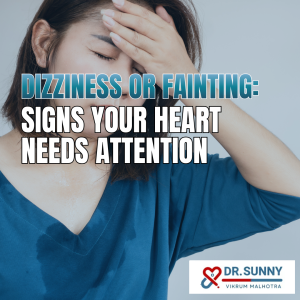
7. Lightheadedness or Dizziness
An occasional bout of dizziness might be benign, but frequent or unexplained episodes could hint at heart rhythm abnormalities or low cardiac output.
Who Is at Higher Risk for Silent Heart Symptoms?
Certain groups may be more likely to experience atypical or silent presentations of heart disease:
-
Women: Women often have non-classic heart symptoms like fatigue, indigestion, and jaw pain.
-
People with Diabetes: Nerve changes from diabetes may blunt typical pain signals.
-
Older Adults: Aging can mask symptoms or make them seem like normal wear and tear.
-
Those With High Blood Pressure or High Cholesterol: These risk factors quietly damage the heart and blood vessels over time.
When Should You See a Cardiologist?
You should consider scheduling an evaluation if you experience:
-
Daily fatigue that limits your activities.
-
Shortness of breath when doing simple tasks.
-
Chest discomfort even if mild.
-
Lightheadedness, unexplained sweating, or new sleep issues.
-
Any combination of subtle symptoms lasting more than a few weeks.
Because these symptoms are often dismissed as stress, aging, or digestive problems, they may be overlooked — leading to delayed diagnosis.
If you live in Brampton, Mississauga, or Milton, Dr. Sunny Malhotra offers expert cardiology assessment, including advanced diagnostic testing and individualized care plans designed to uncover the root cause of your symptoms and protect your heart long-term.
Conclusion
Silent heart disease is more common than many realize — and its subtle symptoms can easily be mistaken for ordinary discomfort. But when the heart isn’t functioning optimally, even mild or unusual signs should prompt a conversation with a cardiologist.
Recognizing and acting on these early clues can prevent progression to major events like heart attacks, stroke, or chronic heart failure. If you’re experiencing unexplained fatigue, breathlessness, mild chest discomfort, or other subtle symptoms, an evaluation with a cardiologist could be the first step in protecting your heart’s future.
Frequently Asked Questions (FAQ)
Q1: What makes heart disease “silent”?
A: Silent heart disease doesn’t produce classic symptoms like intense chest pain, making it harder to detect without a medical evaluation.
Q2: Can silent heart symptoms feel like indigestion?
A: Yes — discomfort that feels like indigestion but doesn’t go away with antacids should be discussed with a cardiologist.
Q3: Are women more likely to have subtle heart symptoms?
A: Yes, women often present with atypical symptoms like fatigue, jaw discomfort, or shortness of breath.
Q4: Do I need a referral to see a cardiologist in Ontario?
A: Many cardiology clinics allow direct booking, but check your insurance and referral requirements.
Q5: How can Dr. Sunny Malhotra help if I live in Brampton, Mississauga, or Milton?
A: Dr. Malhotra can assess symptoms, order appropriate heart tests, and create a personalized care plan to diagnose and manage heart disease before serious complications arise.