- Shortness of breath (dyspnea) is often attributed to lung issues, but it can be a sign of heart disease, including heart failure, valve problems, and coronary artery disease.
- When breathlessness occurs with fatigue, leg swelling, or palpitations, it may indicate a cardiac cause that requires evaluation.
- Patients in Brampton, Mississauga, Caledon and Milton often ignore mild shortness of breath, delaying diagnosis.
- Dr. Sunny Malhotra provides comprehensive cardiac testing and personalized treatment plans to identify and manage heart-related causes.
- This blog explains symptoms, risk factors, and when to see a cardiologist for shortness of breath.
🫁 Understanding Shortness of Breath
Shortness of breath is the sensation of inability to breathe fully or comfortably. It can occur suddenly or gradually and can be worsened by activity, stress, or lying flat.
Patients often describe it as:
- Feeling winded after minimal effort
- Tightness or heaviness in the chest
- Difficulty taking a deep breath
- Fatigue even during normal daily activities
While shortness of breath is commonly associated with lung problems, the heart is a frequent underlying cause.
❤️ Heart-Related Causes of Shortness of Breath
1. Heart Failure
When the heart cannot pump efficiently, fluid can accumulate in the lungs, causing dyspnea, fatigue, and swelling in the legs or abdomen.
2. Coronary Artery Disease
Reduced blood flow to the heart muscle can trigger breathlessness, especially during physical activity.
3. Heart Valve Problems
Valve disease (e.g., aortic stenosis or mitral regurgitation) can increase pressure in the lungs and reduce cardiac efficiency, causing shortness of breath.
4. Arrhythmias
Irregular heart rhythms reduce blood flow, leading to dizziness, fatigue, and breathlessness.
5. Other Cardiac Conditions
Certain congenital defects or cardiomyopathies may also present with chronic dyspnea, often overlooked until symptoms worsen.
🔍 Warning Signs That Shortness of Breath May Be Heart-Related
Seek cardiology evaluation if you notice:
- Breathlessness at rest or during mild activity
- Fatigue or weakness
- Swelling in the legs, ankles, or abdomen
- Chest discomfort or palpitations
- Worsening symptoms when lying flat or during the night
Ignoring these symptoms can lead to progression of heart failure or other serious complications.
🩺 How Dr. Malhotra Evaluates Shortness of Breath
Dr. Malhotra uses a structured approach to determine if your shortness of breath is heart-related:
- Detailed Medical History – Examining risk factors, symptom onset, and lifestyle.
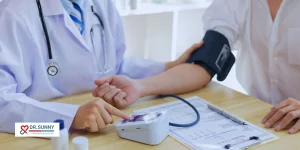
- Physical Examination – Checking for swelling, abnormal heart sounds, or lung congestion.
- Electrocardiogram (ECG) – Detects irregular heart rhythms.
- Echocardiogram – Ultrasound imaging to assess heart function and valve health.
- Stress Testing – Evaluates symptoms during physical activity.
- Blood Tests – Measure cardiac biomarkers (BNP, troponin) to assess heart strain.
- Holter/Event Monitoring – Tracks intermittent arrhythmias.
🌆 Shortness of Breath Awareness in Brampton, Mississauga, and Milton
Many patients in these communities assume mild breathlessness is due to age, stress, or being out of shape. However, early evaluation by a cardiologist can:
- Detect heart failure before it worsens
- Identify arrhythmias that may cause stroke or sudden cardiac events
- Guide treatment to improve symptoms and quality of life
Dr. Malhotra combines advanced testing with personalized care, helping patients regain energy and prevent complications.
💡 Self-Monitoring Tips
While waiting for a cardiology consultation:
- Track when and how your breathlessness occurs
- Note any associated symptoms like swelling, palpitations, or fatigue
- Record triggers (exercise, stress, lying down, temperature changes)
- Keep a list of medications and supplements, as some can affect heart function
Documenting these details helps Dr. Malhotra tailor evaluation and treatment plans to your specific needs.
✨ Conclusion
Shortness of breath is not always just a lung issue — it can be an early sign of heart disease. Fatigue, swelling, palpitations, or chest discomfort alongside dyspnea should prompt a cardiology evaluation.
If you live in Brampton, Mississauga, Caledon or Milton and experience unexplained breathlessness, scheduling a consultation with Dr. Sunny Malhotra can help detect underlying heart conditions, improve your health, and prevent complications.
❓ Frequently Asked Questions
Q: Can anxiety cause shortness of breath?
A: Yes, but persistent or activity-related breathlessness should be evaluated for heart or lung causes.
Q: Is shortness of breath always heart-related?
A: No — it can be caused by lungs, anemia, obesity, or deconditioning, but cardiac causes must be ruled out.
Q: What tests can identify heart-related shortness of breath?
A: ECG, echocardiogram, stress testing, Holter/Event monitoring, and blood tests are commonly used.
Q: When should I go to the ER for dyspnea?
A: Sudden severe breathlessness, chest pain, fainting, or blue lips/face requires immediate emergency care.
Q: Can lifestyle changes help improve heart-related dyspnea?
A: Yes, with cardiologist guidance, exercise, diet, medication adherence, and weight management can improve symptoms and heart function.