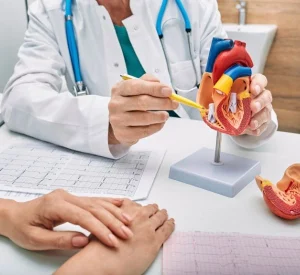
- Shortness of breath (dyspnea) isn’t always just lung‑related — it may be a sign of heart disease including heart failure, valve issues, or coronary artery disease.
- People in Brampton, Mississauga, Caledon and Milton often search “Why can’t I catch my breath?” or “Cardiac shortness of breath” — this blog answers those questions from a cardiology perspective.
- Understanding symptom patterns helps differentiate between heart causes and other conditions.
- Early cardiology evaluation by Dr. Sunny Malhotra may prevent severe heart complications.
🫁 What Exactly Is Shortness of Breath?
Shortness of breath means feeling unable to take a full breath, struggling to breathe comfortably, or breathlessness during activities that didn’t used to cause it.
Common descriptions include:
- “I can’t catch my breath”
- “Breathing feels heavy”
- “I get winded easily”
- “I feel tight in my chest when I walk”
While lungs are often blamed first, the heart plays a major role — especially if symptoms occur with exertion.
🫀 Heart‑Related Causes of Shortness of Breath
Here are the most common cardiac causes patients should know:
1. Heart Failure
When the heart muscle can’t pump efficiently, fluid can accumulate in the lungs leading to breathlessness.
2. Coronary Artery Disease
Reduced blood flow to the heart causes fatigue and shortness of breath — especially during physical activity.
3. Heart Valve Problems
Faulty valves (like mitral or aortic valve disease) can impair blood flow and increase pulmonary pressure.
4. Arrhythmias
Irregular heart rhythms can cause breathlessness, palpitations, or dizziness.
🧠 Key Symptoms That Suggest Heart Involvement
Shortness of breath might be more likely cardiac if it’s accompanied by:
- Chest pain or pressure
- Swelling in legs or ankles
- Fatigue or weakness
- Fainting episodes
- Irregular heartbeat
- Worsening symptoms when lying down
If these are present, it’s time for cardiac evaluation.
🩺 When to Seek Immediate Care
Go to the nearest ER or urgent care if you experience:
- Sudden severe shortness of breath
- Chest pain
- Blue lips or face
- Loss of consciousness
- Severe fatigue with breathing difficulty
These could be signs of a heart attack or pulmonary edema.
🧪 How Cardiologists Evaluate Shortness of Breath
To pinpoint if your heart is the cause, Dr. Malhotra may use:
- EKG/ECG: Checks heart rhythm
- Echocardiogram: Assesses heart muscle and valves
- Stress Testing: Tracks symptoms during exercise
- Blood Tests: Check heart stress markers, lipids
- Holter/Event Monitors: Records rhythm over time
🏙️ Why Early Evaluation Matters in Brampton, Mississauga, Caledon & Milton
Communities like Brampton, Mississauga, and Milton have diverse patient populations with unique cardiovascular risk profiles. People often overlook shortness of breath as “just aging” or “lack of fitness,” yet early detection can prevent complications like heart failure.
Dr. Sunny Malhotra combines advanced diagnostic expertise with a patient‑centered approach to help you:
✔ Understand your symptoms
✔ Get accurate diagnosis
✔ Build effective treatment plans
🌟 Conclusion
Shortness of breath is a symptom you shouldn’t ignore — especially if it’s new, worsening, or paired with other signs like chest pain or fatigue. While not all breathlessness is heart‑related, it’s important to rule out cardiac causes early.
If you live in Brampton, Mississauga, Caledon or Milton, and you’re experiencing unexplained shortness of breath, a cardiology assessment with Dr. Sunny Malhotra can provide clarity, diagnosis, and peace of mind.
❓ Frequently Asked Questions
Q: Can stress cause shortness of breath?
A: Yes, anxiety can cause breathing difficulty, but cardiac causes should be ruled out if symptoms persist.
Q: Is shortness of breath always heart‑related?
A: No — lungs, anemia, or fitness level can also cause breathlessness, but heart evaluation is important.
Q: What tests diagnose cardiac shortness of breath?
A: EKG, echocardiogram, stress test, and blood markers are common tests.
Q: When should I go to the ER?
A: Sudden severe breathlessness, chest pain, or fainting require immediate hospital care.
Q: Can heart disease be prevented?
A: Many heart conditions can be managed or prevented with lifestyle changes, medications, and monitoring.