- Heart palpitations are sensations of fast, pounding, or irregular heartbeats that many patients experience.
- They can be triggered by stress, caffeine, dehydration, or more serious heart conditions like arrhythmia.
- While occasional palpitations can be harmless, frequent or prolonged episodes — especially with dizziness, chest pain, or shortness of breath — warrant evaluation by a cardiologist.
- Dr. Sunny Malhotra offers advanced diagnostic testing, arrhythmia management, and personalized treatment plans to patients in Brampton, Mississauga, Caledon and Milton.
- This blog will help you understand what palpitations feel like, common causes, warning signs, and the heart tests that can uncover the underlying issue.
🫀 What Are Heart Palpitations?
Heart palpitations are the feeling of your heart skipping a beat, fluttering, or beating too fast. Many people describe it as:
- “My heart suddenly flutters”
- “It feels like my heart jumps”
- “My heartbeat feels too fast or irregular”
- “I feel it in my chest or throat”
Palpitations often happen during moments of stress or high activity — but for some, they can be frequent, intense, or disruptive.
🔍 Common Triggers vs. Serious Causes
Common (Benign) Triggers
Many palpitations are harmless and can be caused by:
- Stress or anxiety
- Caffeine or energy drinks
- Alcohol intake
- Smoking or vaping
- Exercise
- Fever
- Dehydration
- Certain medications
If palpitations are occasional and go away quickly, they may not indicate serious heart disease. However…
🚨 When to See a Cardiologist Right Away
Seek immediate medical attention if your palpitations are accompanied by:
- Chest pain or pressure
- Shortness of breath
- Fainting or near‑syncope
- Dizziness or lightheadedness
- Extremely rapid heartbeat that doesn’t subside
These symptoms could signify arrhythmias, structural heart disease, or other urgent cardiac conditions.
❤️ Why Palpitations Happen: Common Heart‑Related Causes
Some heart‑related causes Dr. Malhotra evaluates include:
1. Atrial Fibrillation (AFib)
An irregular rhythm originating from the top chambers (atria). AFib can increase stroke risk if not treated properly.
2. Supraventricular Tachycardia (SVT)
A sudden fast heartbeat that starts and stops abruptly.
3. Premature Ventricular Contractions (PVCs)
Extra heartbeats originating in the heart’s lower chambers.
4. Heart Valve Disease
Poor valve function can strain the heart and cause abnormal rhythms.
5. Coronary Artery Disease
Reduced blood flow to the heart muscle can trigger palpitations and chest discomfort.
🧠 Diagnostic Tools Used by Dr. Malhotra
When you visit, Dr. Malhotra may recommend:
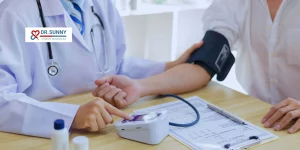
🩺 Physical Exam + History
Understanding your symptoms and triggers.
📈 Electrocardiogram (ECG or EKG)
Records the electrical activity of the heart.
⏱️ Holter Monitor
24–48 hour continuous rhythm monitoring.
📊 Event Monitor
Longer monitoring for intermittent symptoms.
💓 Echocardiogram
Ultrasound of the heart to assess valves and muscle function.
🫀 Stress Test
Observes heart rhythm during exercise.
🌆 Cardiovascular Care in Brampton, Mississauga, and Milton
Patients often delay care thinking palpitations are “just anxiety.” In communities like Brampton, Mississauga, and Milton, busy lifestyles can mask subtle heart symptoms — yet early evaluation can make all the difference.
Dr. Malhotra provides:
- Personalized evaluation
- Advanced rhythm interpretation
- Comprehensive heart health plans
- Patient education and support
Whether you’re newly experiencing symptoms, or palpitations have become more frequent, a cardiology assessment can uncover the cause and prevent future complications.
✨ Conclusion
Heart palpitations can range from benign to serious. Understanding when they’re a red flag is key:
✔ Occasional palpitations with no other symptoms → often harmless
✔ Frequent or prolonged palpitations with dizziness, chest pain, or breathlessness → See a cardiologist
Dr. Sunny Malhotra’s expert cardiac care in Brampton, Mississauga, Caledon and Milton can help diagnose the cause and guide treatment — giving you peace of mind and a healthier heart.
❓ Frequently Asked Questions
Q: Are heart palpitations dangerous?
A: Many aren’t, but frequent episodes or those with chest discomfort, fainting, or shortness of breath require evaluation.
Q: Can dehydration cause palpitations?
A: Yes — electrolyte imbalance and dehydration can trigger palpitations.
Q: Do palpitations always show up on an ECG?
A: Not always. That’s why extended monitoring (Holter/Event) may be recommended.
Q: Is anxiety a real cause of palpitations?
A: Yes — anxiety and panic attacks can cause noticeable heart palpitations.
Q: How do I prepare for a cardiology visit?
A: Note your symptoms, when they occur, their duration, and any triggers like caffeine or stress.