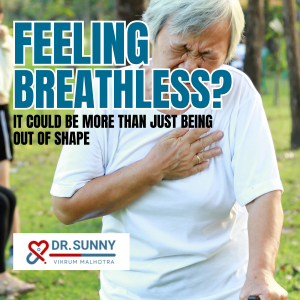
- Chest pressure after eating is not always caused by indigestion or acid reflux.
- Heart-related chest discomfort can sometimes appear after heavy meals because the heart works harder during digestion.
- Symptoms such as shortness of breath, sweating, jaw pain, dizziness, nausea, or pain spreading to the arm should never be ignored.
- People with diabetes, high blood pressure, high cholesterol, sleep apnea, smoking history, or family history of heart disease may have a higher cardiac risk.
- Early cardiac testing and evaluation can help identify coronary artery disease, arrhythmias, or circulation problems before complications develop.
- Dr. Sunny Malhotra provides cardiac assessment and preventive heart care for patients in Brampton, Mississauga, and Milton.
Chest Pressure After Eating: Could It Be Acid Reflux or a Heart Problem?
Many people experience chest discomfort after eating and assume it is simply heartburn, acid reflux, or overeating. While digestive issues are very common, there are situations where chest pressure after meals may actually be connected to the heart.
This is one of the reasons many cardiac conditions are overlooked in the early stages. Patients often dismiss their symptoms for months because the discomfort comes and goes or only appears after eating certain foods.
In cardiology clinics across Brampton, Mississauga, and Milton, patients frequently describe symptoms such as:
- Tightness in the chest after dinner
- Burning chest sensations while walking after meals
- Pressure in the upper chest during digestion
- Feeling unusually tired after eating
- Shortness of breath after large meals
- Discomfort that spreads to the neck, jaw, shoulders, or back
While some of these symptoms may be digestive in nature, others can point toward reduced blood flow to the heart.
Understanding the difference between reflux-related discomfort and potential heart symptoms can help patients seek medical attention before a serious cardiac event occurs.
Why Eating Can Trigger Heart Symptoms
After a meal, the body redirects blood flow toward the digestive system to help process food. This increases the workload on the heart.
For individuals with narrowed coronary arteries or underlying cardiovascular disease, this added demand may temporarily reduce oxygen supply to the heart muscle.
As a result, symptoms may appear shortly after eating, particularly after:
- Heavy meals
- High-fat foods
- Salty restaurant meals
- Alcohol consumption
- Large evening dinners
- Meals followed by physical activity
Some patients notice symptoms only when climbing stairs after eating or walking after dinner.
Others describe a sensation of chest heaviness that improves with rest.
These symptoms may represent angina, which is chest discomfort caused by reduced blood flow to the heart.
Common Symptoms That May Suggest a Heart Cause
Not all cardiac symptoms feel dramatic.
In fact, many people expect a heart problem to cause severe crushing chest pain. However, symptoms can be surprisingly subtle.
Potential warning signs include:
Chest Pressure or Tightness
Patients often describe:
- A squeezing sensation
- Pressure in the center of the chest
- Heaviness after meals
- Discomfort during walking after eating
The sensation may last a few minutes or come and go.
Shortness of Breath
If you feel winded after eating or become breathless with mild activity afterward, it may indicate that the heart is struggling to pump efficiently.
Pain That Travels
Heart-related discomfort may spread to:
- The left arm
- Both shoulders
- The jaw
- The upper back
- The neck
This is particularly concerning when associated with exertion.
Nausea or Sweating
Some patients, especially women and individuals with diabetes, experience nausea, cold sweats, or unusual fatigue rather than obvious chest pain.
Dizziness or Lightheadedness
Reduced circulation or abnormal heart rhythms may lead to dizziness after meals.
Risk Factors That Increase Concern
Certain patients should be especially cautious about persistent chest symptoms after eating.
Risk factors for heart disease include:
- High blood pressure
- Diabetes
- High cholesterol
- Smoking
- Obesity
- Sleep apnea
- Sedentary lifestyle
- Stress
- Family history of heart disease
- Previous heart attack or stroke
- Chronic kidney disease
If you have one or more of these risk factors, unexplained chest symptoms deserve medical evaluation.
When Is It More Likely to Be Acid Reflux
Acid reflux and GERD can absolutely cause chest discomfort.
Symptoms that may point more toward digestive causes include:
- Burning sensation rising toward the throat
- Sour taste in the mouth
- Symptoms worse when lying down
- Relief with antacids
- Symptoms triggered by spicy foods
- Bloating or belching
However, there can be overlap between gastrointestinal symptoms and heart symptoms.
This is why self-diagnosing chest discomfort can be dangerous.
Why Some Heart Problems Are Missed
One of the biggest problems in preventive cardiology is delayed evaluation.
Patients often explain away symptoms as:
- Stress
- Anxiety
- Aging
- Acid reflux
- Poor sleep
- Being out of shape
Some individuals reduce their activity level without realizing it.
For example, a person may stop taking stairs because they feel tired after meals, but they may never recognize this as reduced exercise tolerance caused by underlying heart disease.
In many cases, symptoms become more noticeable only after the condition has progressed.
How a Cardiologist Evaluates Chest Symptoms
A cardiac assessment may include:
Electrocardiogram (ECG)
An ECG checks the electrical activity of the heart and can help identify rhythm abnormalities or evidence of reduced blood flow.
Stress Testing
Stress tests help determine how the heart responds during exertion.
Some patients develop symptoms only while active, which makes stress testing valuable.
Echocardiogram
An echocardiogram uses ultrasound imaging to evaluate heart structure, pumping function, and valve abnormalities.
Holter Monitoring
For patients with intermittent palpitations, dizziness, or racing heartbeats, wearable monitors may record heart rhythms over several days.
Cholesterol and Risk Assessment
Advanced lipid evaluation and cardiovascular risk assessment can help identify patients at increased risk for coronary artery disease.
Lifestyle Changes That Can Support Heart Health
Whether symptoms are caused by reflux or cardiovascular disease, improving heart health remains important.
Helpful strategies include:
- Eating smaller meals
- Avoiding excessive sodium intake
- Reducing processed foods
- Limiting smoking and alcohol
- Managing cholesterol levels
- Controlling blood pressure
- Improving sleep quality
- Increasing physical activity gradually
- Maintaining a healthy weight
- Following up regularly with your physician
Patients with ongoing symptoms should not rely solely on lifestyle changes without proper evaluation.
When to Seek Immediate Medical Attention
Call emergency services immediately if chest symptoms are associated with:
- Severe chest pressure
- Shortness of breath at rest
- Fainting
- Sudden sweating
- Pain spreading to the jaw or arm
- Persistent symptoms lasting more than several minutes
- Severe dizziness
Prompt treatment can be lifesaving during a heart attack.
The Importance of Early Cardiac Evaluation
Heart disease often develops gradually.
The earlier a condition is identified, the more treatment options are available to reduce complications and improve long-term outcomes.
Many patients are surprised to learn that symptoms they assumed were digestive were actually early warning signs of cardiovascular disease.
A proactive cardiac assessment at a general cardiology clinic can provide clarity, reassurance, and early intervention when needed.
For patients in Brampton, Mississauga, and Milton experiencing chest pressure, shortness of breath, fatigue, or unexplained symptoms after eating, evaluation by a cardiologist may help uncover hidden cardiovascular risk factors before they become more serious.
Conclusion
Chest discomfort after eating is common, but it should never automatically be dismissed as simple indigestion.
While reflux and digestive issues are frequent causes, some patients may actually be experiencing reduced blood flow to the heart or other cardiovascular problems.
Symptoms such as chest pressure, breathlessness, dizziness, fatigue, or discomfort during activity deserve careful attention, especially in individuals with risk factors like diabetes, high blood pressure, or high cholesterol.
Early cardiac testing can help identify problems before they progress into heart attack, heart failure, or dangerous arrhythmias.
If you are experiencing persistent or unexplained symptoms, a cardiology evaluation may provide answers and help protect your long-term heart health.
FAQ
Q1. Can heart problems feel like indigestion?
Yes. Heart-related chest discomfort can sometimes mimic acid reflux, heartburn, or indigestion. Some patients experience pressure, burning, nausea, or upper abdominal discomfort instead of classic chest pain.
Q2. Is chest pressure after eating always serious?
Not always. Many cases are related to reflux or digestive issues. However, chest symptoms should be evaluated if they are recurrent, worsen with activity, or occur alongside shortness of breath, dizziness, or sweating.
Q3. What foods can trigger chest symptoms?
Heavy meals, fried foods, salty foods, alcohol, and large portions may worsen both reflux symptoms and heart-related symptoms.
Q4. Can walking after meals trigger angina?
Yes. Physical activity after eating increases the heart’s workload. In patients with narrowed coronary arteries, this may lead to chest discomfort or shortness of breath.
Q5. What tests might a cardiologist order for chest pressure?
Common cardiac tests include ECGs, stress testing, echocardiograms, Holter monitoring, blood pressure monitoring, and cholesterol assessment.
Q6. Should younger adults worry about heart-related chest symptoms?
Heart disease can affect younger adults, especially those with diabetes, smoking history, obesity, high cholesterol, family history, or untreated high blood pressure.
Q7. When should I go to the emergency room for chest discomfort?
Seek emergency care immediately if symptoms are severe, associated with sweating, fainting, jaw pain, arm pain, severe shortness of breath, or symptoms lasting longer than several minutes.
Q8. Does stress increase the risk of heart symptoms?
Yes. Chronic stress may contribute to elevated blood pressure, poor sleep, arrhythmias, and worsening cardiovascular health.
Q9. Can women experience different heart symptoms?
Yes. Women may experience fatigue, nausea, shortness of breath, dizziness, or upper back discomfort instead of severe chest pain.
Q10. Where can patients in Brampton, Mississauga, and Milton seek cardiology evaluation?
Patients experiencing concerning cardiovascular symptoms can seek evaluation through Dr. Sunny Malhotra’s cardiology practice for risk assessment, cardiac testing, and preventive heart care.